


Do Nasal Dilators Work? Science, Benefits, and Real Results
Difficulty breathing through the nose is more common than many people realize. Congestion, narrow nasal passages, snoring, and nighttime mouth breathing can affect sleep quality, athletic performance, and daily comfort. Because of this, nasal dilators have become a popular, drug-free solution promising easier breathing.
But do nasal dilators actually work, or are they just another health gimmick? In this article, we take an honest, science-based look at nasal dilators—how they work, who they help, their benefits, and their limitations—so you can decide whether they’re worth trying.
Key Takeaways
- Nasal dilators can improve airflow by mechanically opening the nasal passages
- They work best for mild nasal restriction, not severe conditions
- Results vary depending on the cause of breathing difficulty
- They are safe, non-invasive, and drug-free
What Are Nasal Dilators?
Nasal dilators are small devices designed to improve airflow through the nose by gently widening the nasal passages. Unlike medications, they don’t treat inflammation or allergies. Instead, they work mechanically by opening areas of the nose that tend to narrow or collapse during breathing.
There are two main types:
- External nasal dilators (similar to nasal strips) that sit on the outside of the nose
- Internal nasal dilators that are placed just inside the nostrils
Both aim to reduce airflow resistance and make breathing easier.
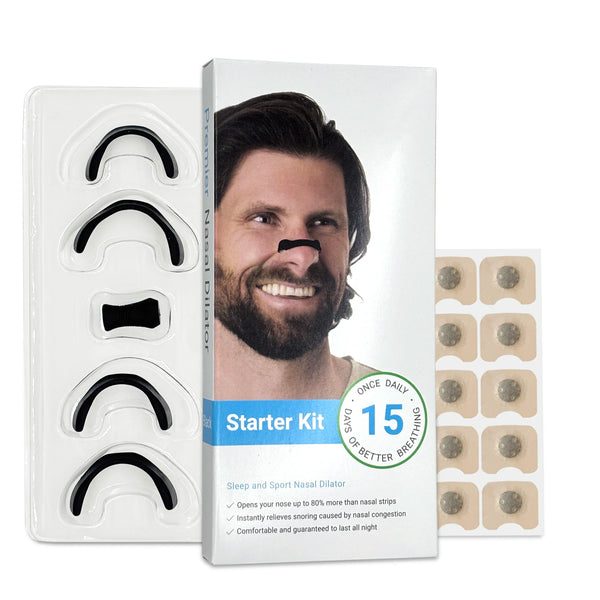
Looking for a simple, drug-free way to breathe easier through your nose? Urbizia Magnetic Nasal Breathing Dilators are designed to gently open nasal passages, helping improve airflow during sleep, workouts, or everyday use.
- Helps improve nasal airflow naturally
- Comfortable, lightweight, and reusable
- Suitable for sleep, sports, and daily breathing support
- Available in multiple pack sizes for easy replacement
How Nasal Dilators Work
To understand how nasal dilators work, it helps to know about the nasal valve, the narrowest part of the nasal airway. This area can collapse inward during breathing—especially when lying down, exercising, or sleeping.
Nasal dilators work by:
- Gently supporting the nasal walls
- Preventing inward collapse of the nasal valve
- Allowing air to flow more freely through the nose
They do not remove mucus, shrink swollen tissue, or correct structural problems, but they can improve airflow in people with mild to moderate nasal restriction.
Do Nasal Dilators Really Work? The Science Explained
Scientific studies and clinical observations suggest that nasal dilators can improve nasal airflow in certain individuals, particularly those with nasal valve narrowing. Research has shown measurable increases in airflow and reduced breathing resistance when nasal dilators are used correctly.
However, results vary from person to person. Nasal dilators tend to work best for mechanical airflow restriction, not for congestion caused by infection, allergies, or severe structural issues.
In short, nasal dilators are effective for some people—but they are not a universal solution.
Benefits of Using Nasal Dilators
When they work, nasal dilators offer several practical benefits:
- Improved nasal airflow
- Easier breathing during sleep
- Potential reduction in mild snoring
- Drug-free and non-invasive
- Safe for short-term or occasional use
Because they don’t contain medication, nasal dilators are often used by people who want a simple, low-risk breathing aid.
Do Nasal Dilators Work for Snoring?
Nasal dilators can help with snoring caused by nasal airflow restriction, such as when snoring is linked to a narrow nasal valve or mild congestion.

They are more likely to help if:
- Snoring starts in the nose, not the throat
- Snoring worsens when lying on your back
- You notice improved breathing through the nose during the day
They are less effective for snoring caused by sleep apnea, obesity, or throat-related airway collapse. In those cases, nasal dilators alone are usually not enough.
Pro Tips
- Choose the right size and type for comfort
- Use nasal dilators consistently to assess effectiveness
- Stop using them if irritation or discomfort occurs
Do Nasal Dilators Work for a Deviated Septum?
For people with a mild deviated septum, nasal dilators may offer temporary relief by improving airflow on the less obstructed side. However, they cannot correct the underlying structural problem.
If the deviation is severe, nasal dilators may provide little to no benefit. In such cases, a healthcare professional may recommend medical or surgical options instead.
Do Magnetic Nasal Dilators Work Better?
Magnetic nasal dilators are a type of internal dilator that uses magnets to gently pull the nasal passages open. Some users find them more comfortable or stable than standard internal dilators.
In terms of effectiveness:
- Magnetic and non-magnetic dilators work on the same principle
- Comfort and fit matter more than magnetism
- No strong evidence shows magnetic versions are significantly more effective
The “best” option usually depends on personal comfort rather than technology.
Nasal Dilators vs Nasal Strips
Although they’re often confused, nasal dilators and nasal strips are different.

Nasal strips:
- Stick to the outside of the nose
- Pull the nasal walls outward
- Are disposable
Nasal dilators:
- Sit inside or support the nostrils
- Can be reusable
- Often provide stronger internal support
Some people find internal nasal dilators more effective, while others prefer the simplicity of nasal strips.
Who Should Try Nasal Dilators?
Nasal dilators may be helpful for:
- People who breathe through their mouth at night
- Individuals with mild nasal valve narrowing
- Athletes seeking easier breathing during exercise
- People with occasional nighttime congestion
They are often worth trying because they are low-risk and easy to use.
Who Should Not Rely on Nasal Dilators?
Nasal dilators are not a treatment for serious medical conditions. They should not replace proper medical care for:
- Sleep apnea
- Chronic or severe nasal obstruction
- Persistent snoring with daytime fatigue
If symptoms continue or worsen, it’s important to consult a healthcare professional.
Conclusion
So, do nasal dilators work?
The honest answer is: yes, for the right people and the right reasons. They can improve airflow, reduce mild snoring, and make breathing easier—especially when nasal valve narrowing is the main issue.
However, they are not a cure-all. Understanding their limitations and using them with realistic expectations is key. For many people, nasal dilators are a simple, affordable way to breathe a little easier—day or night.